
neck pain: causes, symptoms and effective chiropractic treatments
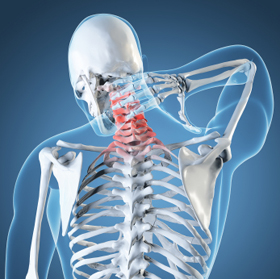
Quick guide: neck pain
Condition:
Neck pain often develops from muscle strain, joint irritation, poor posture, or nerve compression in the cervical spine.
Common symptoms:
Neck stiffness, reduced range of motion, headaches, shoulder tension, muscle tightness, or pain that may radiate into the arms.
Common causes:
Poor posture, prolonged computer use, smartphone use, whiplash injuries, muscle strain, and cervical disc irritation.
Treatment options:
Chiropractic adjustments, spinal mobilization, soft tissue therapy, acupuncture, posture correction, ergonomic advice, and rehabilitation exercises.
When to seek care:
If neck pain lasts longer than 1–2 weeks, causes headaches or arm symptoms, or interferes with sleep, work, or daily activities.
Understanding neck pain
Neck pain is one of the most common conditions treated by chiropractors, affecting up to 70% of people at some point in their lives. The cervical spine (neck) supports the weight of the head and allows a wide range of motion, making it vulnerable to strain, injury, and degenerative changes.
While neck pain can sometimes stem from simple muscle tension, it often interferes with daily activities, sleep, concentration, and work productivity.
At in balance chiropractic + acupuncture clinic, we regularly help patients from Markham, York Region, and Durham Region find relief from neck pain using evidence-based chiropractic care, acupuncture, and rehabilitation exercises.
Common symptoms of neck pain
Neck pain may present in several ways depending on the structures involved. Symptoms may include:
- persistent or recurring neck pain
- stiffness or reduced neck mobility
- muscle tightness in the neck and shoulders
- headaches that originate from the neck
- pain radiating into the shoulders or arms
- numbness or tingling in the arms or hands
- pain when turning the head or looking up or down
If nerve irritation is present, symptoms may extend further into the arm or hand.
What causes neck pain?
Neck pain is typically caused by structural or functional issues involving the muscles, joints, ligaments, discs, or nerves of the cervical spine.
Common causes include:
Muscle strain
Often caused by poor posture, prolonged computer use, or looking down at phones for long periods.
Ligament sprain
Sudden movements or trauma, such as sports injuries or motor vehicle accidents, can overstretch neck ligaments.
Facet joint irritation
The small joints at the back of the neck can become inflamed or restricted, leading to stiffness and localized pain.
Cervical disc injuries
Bulging or herniated discs may compress nearby nerves and cause neck pain that radiates into the shoulder or arm.
Cervical osteoarthritis (neck arthritis)
Age-related wear and tear can lead to joint degeneration, stiffness, and reduced mobility.
Poor posture and “text neck”
Forward head posture from smartphones, laptops, and desk work places excessive stress on the neck.
Your in balance chiropractor will perform a detailed assessment of the spine, muscles, joints, and nerves to determine the underlying cause and create a personalized treatment plan.
Conditions commonly misdiagnosed as neck pain
Neck pain symptoms can sometimes resemble other conditions affecting the upper body. These may include:
Cervical disc herniation – may cause pain, tingling, or numbness into the arm
Cervical radiculopathy – nerve irritation causing arm pain or weakness
Tension headaches – often related to muscle tightness in the neck and shoulders
Whiplash injuries – common after motor vehicle accidents
Shoulder injuries – shoulder joint problems may refer pain into the neck
A thorough examination can help identify whether symptoms originate from the neck joints, muscles or nerve roots.
Conditions commonly associated with neck pain
Neck pain can occur on its own or as part of other musculoskeletal conditions. Chiropractors frequently treat neck pain related to:
- text neck and forward head posture
- whiplash injuries
- cervical disc bulges or herniations
- pinched nerves (cervical radiculopathy)
- cervicogenic headaches
- cervical osteoarthritis
- muscle tension from stress or prolonged sitting
Identifying the specific condition causing neck pain helps determine the most effective treatment approach.
How can chiropractic treatment help neck pain?
Chiropractic care focuses on identifying and treating the root cause of neck pain, rather than simply masking symptoms.
Research shows that manual therapy combined with exercise is one of the most effective approaches for treating mechanical neck pain.
Chiropractic care is proven to be more effective than medication or exercise alone for treating neck pain. It focuses on addressing the underlying causes, restoring function, and alleviating discomfort.
Key chiropractic treatments for neck pain
Treatment at in balance chiropractic + acupuncture clinic may include:
Soft tissue therapy:
Techniques such as myofascial release or Active Release Techniques (ART) or Fascial Abrasion Technique (FAT) help relieve tight muscles, reduce inflammation, and restore mobility.
Chiropractic adjustments:
Gentle spinal adjustments improve movement in the cervical and upper thoracic joints and reduce joint irritation.
Acupuncture:
Acupuncture helps decrease pain signals, reduce inflammation, relax muscle tension, and improve circulation.
Laser therapy:
Low-level laser therapy can stimulate tissue healing and reduce inflammation in injured muscles and joints.
Corrective exercises:
Personalized exercises strengthen the neck and upper back to support better posture and prevent recurring pain.
Examples may include:
- chin tuck holds
- chin retractions
- scapular retraction exercises
- postural strengthening exercises
Common signs you may need chiropractic treatment for neck pain
Consider visiting a chiropractor if you experience:
- persistent or recurring neck pain
- pain radiating to the shoulders, chest or arms
- reduced neck mobility or stiffness
- headaches that seem to originate from neck tension
Why choose chiropractic care for neck pain?
Chiropractic treatment offers a non-invasive, drug-free approach to managing neck pain.
Benefits of chiropractic care include:
- faster pain relief compared to medication alone
- improved mobility and spinal function
- reduced muscle tension and inflammation
- prevention of future neck pain episodes
- personalized rehabilitation exercises
Many patients from Markham, York Region, and Durham Region choose chiropractic care as a safe and effective first-line treatment for neck pain.
Get relief from neck pain today
Neck pain can interfere with sleep, work, and everyday activities.
At in balance chiropractic + acupuncture clinic, we provide comprehensive assessments and evidence-based treatment plans designed to restore mobility, relieve pain, and help prevent recurrence.
If you are experiencing persistent neck pain, contact our clinic to schedule an assessment and begin your recovery.
Frequently Asked Questions about neck pain
Neck Pain
Yes. Increased smartphone use, gaming, and studying on laptops has led to more cases of posture-related neck pain among teenagers and young adults. Early posture correction and ergonomic habits can help prevent long-term problems.
Yes. Chiropractors commonly treat cervical disc bulges and herniations, which occur when one of the discs between the vertebrae in the neck becomes irritated or protrudes outward. This can place pressure on nearby nerves and lead to symptoms such as neck pain, stiffness, headaches, or pain radiating into the shoulder or arm.
Chiropractic treatment focuses on improving spinal movement and reducing pressure on the affected structures. Treatment may include gentle spinal adjustments, soft tissue therapy, acupuncture, laser therapy and specific rehabilitation exercises to support spinal stability and healing.
Many patients experience significant improvement with conservative care, especially when treatment is combined with posture correction, ergonomic changes, and strengthening exercises for the neck and upper back.
Yes. Chiropractic treatment is commonly used to help manage whiplash injuries, which often occur after motor vehicle accidents or sudden impacts. Whiplash can cause neck pain, stiffness, headaches, muscle tightness, and reduced mobility due to strain of the muscles, ligaments, and joints of the cervical spine.
Chiropractic care for whiplash may include gentle spinal adjustments, soft tissue therapy, acupuncture, laser therapy and rehabilitation exercises to reduce inflammation, restore normal joint movement, and support healing. Early assessment and treatment can help prevent chronic neck pain and long-term stiffness.
Yes. Sleeping with inadequate pillow support or in awkward positions can strain the neck muscles and joints.
Helpful tips include:
- use a pillow that keeps your neck in neutral alignment
- avoid sleeping on your stomach
- back or side sleeping is typically best for neck suppor
Yes. Emotional stress often causes people to unconsciously tighten the neck and shoulder muscles, which can lead to stiffness, headaches, and upper back pain. Stress management, stretching, and manual therapy can help reduce tension.
Recovery time depends on the cause and severity. Mild muscle strain may improve within a few days to weeks, while chronic or disc-related conditions may require a longer treatment plan combined with exercises and lifestyle changes.
Simple daily habits can significantly reduce strain on your neck:
- raise phones and screens closer to eye level
- follow the 20-20-20 rule – every 20 minutes look 20 feet away for at least 20 seconds to reduce muscle fatigue and eye strain
- take movement breaks every 30–60 minutes – stand up, stretch and move around
- maintain a properly adjusted workstation – position your monitor at eye level, keep shoulders relaxed, sit with your back supported
- strengthen the upper back and neck stabilizers to improve posture and reduce strain
- stretch the neck and shoulders regularly
Exercises that strengthen the upper back and neck stabilizers can improve posture and reduce strain.
Chin Tucks
- Sit or stand with good posture
- Gently pull your chin straight back
- Hold for 5 seconds
- Repeat 10 times
This strengthens the deep neck muscles that support proper alignment.
Upper Trap Stretch
- Tilt your head to one side
- Use your hand to gently deepen the stretch
- Hold for 20–30 seconds
Chest Opener
Clasp your hands behind your back and gently lift your arms while opening your chest.
This counters the forward posture created by device use.
A neck muscle strain often causes localized pain, tightness, stiffness, and difficulty turning the head. The pain may worsen with movement and improve with rest, stretching, and manual therapy.
A pinched nerve (cervical radiculopathy) occurs when a nerve in the neck becomes compressed by a disc bulge, bone spur, or inflamed joint. This can cause neck pain, arm pain, tingling, numbness, or weakness. Chiropractic care may help reduce joint irritation and improve spinal mechanics to relieve nerve pressure.
Cervical osteoarthritis (neck arthritis) occurs when the cartilage in the joints of the neck gradually wears down with age. This can cause stiffness, pain, and reduced mobility. Chiropractic treatment, mobility exercises, and posture correction can help manage symptoms and maintain function.
Cervical radiculopathy occurs when a nerve in the neck becomes irritated or compressed, often due to a disc bulge, disc herniation, bone spur, or joint inflammation. This condition is sometimes referred to as a “pinched nerve in the neck.”
Symptoms may include:
- neck pain
- pain radiating into the shoulder or arm
- numbness or tingling in the arm or hand
- weakness in the arm or grip
Chiropractic treatment may help reduce pressure on the affected nerve by improving spinal movement, reducing joint irritation, and addressing surrounding muscle tension. Treatment may include chiropractic adjustments, soft tissue therapy, acupuncture, and targeted rehabilitation exercises to improve spinal stability and function.
Text neck is a repetitive strain injury caused by frequently looking down at phones, tablets, or laptops for extended periods.
Forward head posture dramatically increases the load on the cervical spine and can lead to:
- Neck pain and stiffness
- Upper back pain
- Headaches
- Shoulder tension
- Numbness or tingling in the arms
The fastest way to relieve neck pain often involves a combination of manual therapy, posture correction, targeted exercises, and reducing strain on the neck. Chiropractic treatment can help restore joint movement, reduce muscle tension, and address the underlying cause of neck pain. Many people also benefit from gentle stretching, ergonomic adjustments, and limiting prolonged screen use.
Occasional neck stiffness is common, but persistent symptoms may require professional care.
You should consider visiting your in balance chiropractor if you experience:
- neck pain lasting longer than a few days
- frequent headaches related to neck tension
- pain radiating into the shoulder or arm
- numbness or tingling in the arms or hands
- difficulty turning your head
- symptoms interfering with work or sleep
A chiropractic assessment can determine whether text neck, joint dysfunction, disc irritation, or another spinal condition is contributing to your symptoms.
Text neck is becoming increasingly common as screen time continues to rise. Fortunately, simple posture changes, regular movement, and chiropractic treatment or acupuncture can help prevent long-term damage.
Your head weighs approximately 10–12 pounds in a neutral position, but tilting it forward greatly increases the pressure placed on the neck.
Approximate pressure on the neck:
- 15° tilt: ~27 pounds
- 30° tilt: ~40 pounds
- 45° tilt: ~49 pounds
- 60° tilt: ~60 pounds
Maintaining this posture for hours each day can overload muscles, joints, and discs.
Neck pain treatment in Markham
Serving patients across Markham, York Region, and Durham Region
in balance chiropractic + acupuncture clinic provides chiropractic care, acupuncture, and exercise rehabilitation for patients experiencing neck pain throughout Markham, Richmond Hill, Stouffville, Unionville, Scarborough and the surrounding York and Durham Region communities.
Whether neck pain is caused by poor posture, work-related strain, sports injuries, arthritis, or prolonged device use, early assessment and treatment can help restore mobility and prevent chronic problems.