
TMJ disorder treatment in Markham
temporomandibular joint dysfunction (TMJD): causes, symptoms and effective chiropractic treatments
Suffering from jaw pain, clicking or TMJ disorder in Markham?
If jaw pain, clicking, or tension is affecting your daily life, don’t wait for it to get worse. At in balance chiropractic + acupuncture clinic, we offer gentle, evidence-based treatment including ART and acupuncture to reduce jaw tension, improve function, and relieve associated headaches and neck pain.
Quick guide: TMJ dysfunction (TMJD)
Condition:
Temporomandibular joint dysfunction (TMJD) affects the jaw joints and surrounding muscles responsible for chewing, speaking, and jaw movement.
Common symptoms:
- jaw pain or tenderness
- clicking, popping, or grinding sounds
- difficulty opening or closing the mouth
- headaches or facial pain
- ear pressure, ringing (tinnitus), or discomfort
- muscle tightness in the jaw, face, or neck
Common causes:
- teeth grinding or clenching (bruxism)
- stress and muscle tension
- jaw injury or trauma
- bite imbalance
- poor posture (especially forward head posture)
- neck and upper back dysfunction
Treatment options:
- chiropractic care
- manual therapy
- acupuncture
- jaw and posture exercises
- stress management strategies
- collaboration with your dentist if bite issues or teeth grinding are involved
When to seek care:
- if jaw pain persists
- worsens with chewing
- causes headaches or ear symptoms
- limits normal jaw movement
What is temporomandibular joint dysfunction (TMJD)?
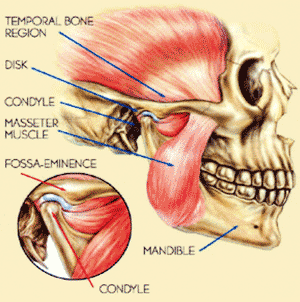
TMJ dysfunction refers to a group of conditions affecting the temporomandibular joints, which connect your jaw to your skull.
These joints sit just in front of your ears and allow you to:
- open and close your mouth
- chew and speak
- move your jaw side-to-side
When the joint, muscles, or surrounding nerves become irritated or imbalanced, it can lead to:
- jaw pain and stiffness
- clicking or locking
- headaches and facial tension
- ear-related symptoms
Because the jaw is closely connected to the neck, head, and upper back, dysfunction often extends beyond the jaw itself.
Patients often seek care when symptoms begin interfering with daily activities like eating, speaking, or sleeping.
Understanding TMJ dysfunction
The TMJ is one of the most frequently used joints in the body. It works in coordination with the muscles of the:
- jaw
- face
- neck
- upper back
That’s why TMJ symptoms are often influenced by:
- posture
- muscle tension
- neck mobility
Effective treatment focuses on the full system—not just the jaw.
Common symptoms of TMJ disorder
TMJ dysfunction can cause a wide variety of symptoms affecting the jaw, head, ears, and neck.
Common symptoms include:
Jaw symptoms
- jaw pain or tenderness
- clicking, popping, or grinding sounds when opening or closing the mouth
- jaw locking or difficulty opening the mouth fully
- pain when chewing or biting
Head and facial symptoms
- tension headaches
- facial pain or pressure
- pain around the temples or cheeks
- muscle tightness in the jaw or face
Ear-related symptoms
- ear pressure or fullness
- ringing in the ears (tinnitus)
- ear pain without infection
- dizziness in some cases
Neck and posture symptoms
- neck stiffness
- shoulder tension
- headaches related to neck muscle tightness
Causes of temporomandibular joint dysfunction
TMJ dysfunction can develop from several contributing factors affecting the joint, muscles, or surrounding structures.
Common causes include:
Teeth grinding or jaw clenching (bruxism)
Chronic grinding or clenching places excessive pressure on the jaw joint and surrounding muscles.
Stress and muscle tension
Emotional stress commonly causes unconscious jaw clenching and increased muscle tension in the face and neck.
Jaw injury or trauma
Falls, sports injuries, or accidents affecting the jaw or head can disrupt normal joint mechanics.
Bite imbalance or dental changes
Misalignment of the teeth or changes in dental structure may affect how the jaw moves.
Poor posture
Forward head posture from prolonged computer or phone use can strain the jaw and neck muscles.
Neck and upper back dysfunction
Tension or joint restriction in the cervical spine may contribute to jaw pain due to shared muscle and nerve connections.
Conditions commonly associated with TMJ symptoms
Jaw pain and facial discomfort are not always caused by TMJ dysfunction alone. TMJ symptoms often overlap with other conditions, including:
Bruxism (teeth grinding)
Chronic nighttime grinding places excessive stress on the jaw joint.
Tension headaches
Tight muscles in the temples, jaw, and neck often trigger headaches similar to TMJ pain.
Neck joint irritation or cervical spine dysfunction
Neck problems can refer pain into the jaw, temples, or face.
Trigeminal nerve irritation
The trigeminal nerve supplies sensation to the face and jaw, and irritation can cause facial pain.
Ear conditions
Ear infections or Eustachian tube dysfunction may produce ear pain or pressure similar to TMJ symptoms.
Sinus pressure or sinusitis
Sinus inflammation can create facial pain and pressure that resembles jaw discomfort.
Dental problems
Tooth infections, cavities, or bite changes can cause jaw pain.
A thorough assessment is key to identifying the true source of your symptoms.
TMJ disorder – who this care is for
This care may benefit you if you:
- experience jaw pain, clicking, or tightness
- have difficulty chewing or opening your mouth fully
- clench or grind your teeth (especially at night)
- notice headaches, ear symptoms, or facial tension
- feel symptoms worsen with stress or prolonged sitting
- have ongoing neck and shoulder tension linked to jaw discomfort
How can chiropractic treatment help TMJD?
The temporomandibular joint is intricately connected to the neck, head, and upper back, meaning dysfunction in one area often impacts the others.
Our treatment approach focuses on restoring balance across the entire system.
Your treatment may include:
Manual therapy for jaw muscles
Myofascial or Active Release Techniques (ART) target tight jaw muscles both inside and outside the mouth to reduce tension and improve mobility.
Neck and upper back muscle release
Releasing tight muscles in these areas can significantly reduce stress on the jaw joint.
Chiropractic adjustments
Gentle adjustments to the neck and surrounding joints may help restore normal movement and reduce tension affecting the jaw.
Acupuncture
Acupuncture can help decrease pain, reduce inflammation, and relax overactive muscles.
Exercise rehabilitation
Targeted jaw, neck, and posture exercises help improve muscle balance and prevent recurring symptoms.
Collaboration with your dentist
If teeth grinding or bite imbalance contributes to the problem, treatment may include collaboration with your dentist for a mouthguard or bite correction.
Why early treatment matters
Without treatment, TMJ dysfunction can worsen over time and lead to:
- chronic headaches
- increased jaw stiffness or locking
- persistent facial pain
- worsening teeth grinding
- difficulty chewing or speaking
Early treatment helps restore normal jaw movement, reduce muscle tension, and prevent the condition from becoming chronic.
Related Conditions and contributing factors
TMJ dysfunction is often associated with:
- headaches and migraines
- neck pain
- upper back tension
- postural strain
FAQs about TMJ disorder in Markham
TMJ Disorder
Yes. Chiropractors frequently treat TMJ dysfunction by addressing muscle tension, joint mechanics, and related issues in the neck and upper back. Treatment may include:
- gentle jaw and neck adjustments
- myofascial or active release therapy for jaw muscles
- acupuncture to reduce pain and inflammation
- posture correction and exercise rehabilitation
Because the jaw is closely connected to the neck and spine, improving alignment and muscle balance can significantly reduce TMJ symptoms.
Yes. Stress is one of the most common contributors to TMJ dysfunction. Many people clench or grind their teeth when stressed, often without realizing it, which places excessive pressure on the jaw joint and surrounding muscles. Stress can also increase muscle tension in the jaw, neck, and shoulders, further aggravating TMJ symptoms.
Yes. Because the jaw joint sits close to the ear, TMJ irritation can cause ear pressure, pain, or ringing in the ears (tinnitus) even when the ear itself is healthy.
Yes. TMJ dysfunction commonly causes tension headaches or pain around the temples because the jaw muscles attach near the sides of the head.
Mild TMJ symptoms sometimes improve with rest, jaw relaxation, and avoiding aggravating habits like chewing gum or clenching the teeth. However, persistent TMJ dysfunction may require treatment to address muscle tension, joint mechanics, and posture-related factors. Early care can help prevent the condition from becoming chronic.
TMJ dysfunction often causes pain or tenderness in the jaw joint, clicking or popping sounds when opening the mouth, headaches, facial pain, and difficulty chewing. Some people also experience ear pressure, ringing in the ears, or neck stiffness. If your symptoms worsen with chewing, yawning, or jaw movement, the temporomandibular joint may be involved.
Both professionals can play an important role in treating TMJ dysfunction. Dentists often address bite issues and teeth grinding, while chiropractors focus on muscle tension, joint mobility, and spinal alignment that contribute to TMJ symptoms. In many cases, collaborative care between your chiropractor and dentist provides the best long-term results.
When should I seek treatment for TMJ dysfunction?
You should consider professional care if you experience:
- persistent jaw pain or stiffness
- clicking or locking of the jaw
- difficulty chewing or opening your mouth fully
- frequent headaches related to jaw tension
- ear symptoms without a clear ear infection
Early treatment can prevent TMJ dysfunction from becoming a chronic pain condition.
Gentle jaw mobility and relaxation exercises can improve muscle balance and joint movement. Common exercises include:
- controlled jaw opening: slowly open and close the mouth while keeping the tongue on the roof of the mouth
- jaw relaxation exercises: placing the tongue lightly on the palate while allowing the teeth to separate
- jaw stretching: place three fingers in the mouth and slowly open the mouth while spreading the fingers to apply more stretch
- neck stretching and posture exercises: stretching and strengthening the deep neck muscles to reduce strain on the jaw
A chiropractor can recommend specific exercises tailored to your condition to help restore normal movement and prevent recurring symptoms.
Common aggravating factors include:
- teeth grinding or clenching
- chewing gum frequently
- eating very hard foods
- poor posture while using computers or phones
- sleeping on the stomach
- high stress levels
Reducing these triggers can significantly improve symptoms.
The fastest way to reduce TMJ pain is to rest the jaw, apply gentle heat, and avoid aggravating activities such as chewing gum or eating very hard foods. Soft foods, jaw relaxation exercises, and gentle stretching can also help relieve muscle tension. Many patients find additional relief with manual therapy, acupuncture, and chiropractic care, which address muscle tightness and joint mechanics contributing to the problem.
TMJ treatment in Markham
If jaw pain, clicking, or tension is affecting your daily life, don’t wait for it to get worse.
At in balance chiropractic + acupuncture clinic, we help patients in Markham, Cornell, Unionville, Stouffville, Scarborough and surrounding communities across York and Durham Regions with gentle, effective treatment for TMJ dysfunction.
If you are experiencing jaw pain, headaches, or clicking in the jaw, contact your in balance chiropractor to help find relief from TMJ pain.
